6

666

6666

69
Werke
315
Likes
4
Follower
0
Folgt
6666
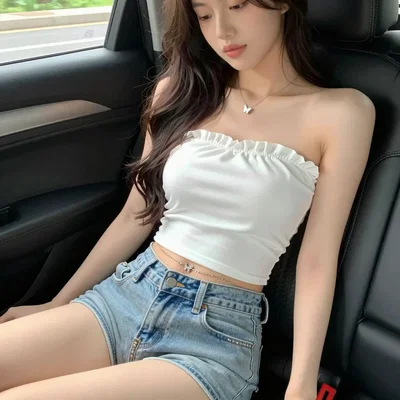
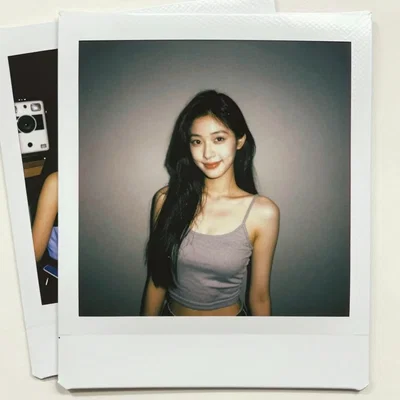
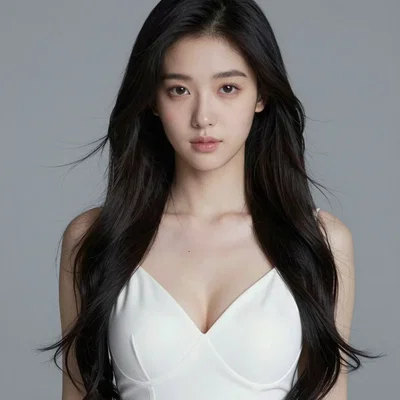
9:16 vertical format, standard close-up bust composition, ultra-high-definition real-life photography × advanced lifestyle snapshot × cool-toned film aesthetics × ultra-wide-angle slight perspective, 8K-level high-definition details, the picture is clear and sharp, no blur, no out-of-focus, no smearing. A beautiful East Asian woman aged 18–20, who is clearly an adult, with a slender and tall figure, small head, small face, slender and well-proportioned neck and shoulders, and a slender waist. Her bust is visually about a natural E cup, plump but not overly exaggerated, maintaining a natural and harmonious proportion with her overall slender figure. The character must have a real East Asian female face, with an exquisite doll-like prettiness, while maintaining the distinct facial structure of an adult woman. Small head, small face, an exquisite and slender oval face, a thin and tight cheek, a smooth and clear jawline with a slightly pointed chin, soft and delicate facial features, naturally coordinated. The skin is very fair, delicate and translucent, presenting a clean and bright cool white porcelain-like skin tone, with a faint natural pinkish hue; preserving high-definition real skin texture, tiny pores and natural skin texture, without excessive skin smoothing or a plastic feel. Long black or dark brown hair is thick and smooth, naturally falling to the waist, with soft natural large arcs of gentle curls. Some of the long hair naturally falls on the shoulders and the sides of the chest, while the other part extends to the back. The hair has ultra-high-definition resolution, with individual strands and natural sectioning clearly visible, and the hair edges are clean and sharp. The character wears a pure white soft and close-fitting dress, with a prominent deep V-neck cut on the upper body. The V-shaped neckline naturally extends downward, highlighting the slender shoulders, neck, collarbone and upper chest lines, naturally presenting a full visual effect of about an E cup, while maintaining a realistic and proportionate body. The white fabric is soft and delicate, with real fabric texture, stitching, edges and natural wrinkles clearly visible. Using a close-up bust shot, the character is fully captured from the top of the head to around the waist, with the face, shoulders, neck, collarbone, chest, arms and part of the waist clearly presented. The camera is relatively close to the character, making the character occupy about 75%–85% of the frame, reducing irrelevant background area, focusing on highlighting the character's facial features, eyes, hair, shoulders, neck and upper body styling. The character stands in front of the camera, slightly leans forward with the upper body and naturally approaches the camera, with relaxed shoulders, one shoulder can be slightly forward to form a natural layering. She looks up at the camera, with shy and agile eyes, a slightly lazy and playful expression, her lips naturally relaxed, capturing a lifestyle moment when she suddenly approaches the camera. Using a slight low-angle shot slightly below the character's line of sight, with the camera shooting slightly upward, combined with an ultra-wide-angle perspective of about 24–28mm to create a restrained perspective where closer objects appear larger and farther objects smaller. The character's face must not produce obvious wide-angle stretching or distortion, maintaining a beautiful and natural human facial proportion. The picture has a very slight Dutch angle tilt composition, creating a casual snapshot-like spontaneity rather than a standard ID photo or studio setup. Precise automatic eye focus, high-speed shutter freezing the character's movements. Eyes, eyelashes, eyebrows, tip of nose, lips, skin texture, collarbone, hair strands and clothing texture all remain high-definition and sharp. The entire upper body of the character is within the effective sharp focal plane, avoiding situations where only the eyes are clear while the chest, shoulders or hair are blurred. The scene is in a light-colored minimalist interior or a clean light-colored corridor, with walls and environment mainly white, creamy white and light gray. The background maintains a real spatial structure and sufficient detail, without using obvious background blur, and without creating large light spots or creamy bokeh. Overall tone uses light pastel white tones, silver-white cool light and a slight cool indigo-purple tint. Soft side light illuminates the character from the front side, creating delicate and three-dimensional contour light on the cheeks, nose bridge, jawline, shoulders, neck, collarbone and hair edges. Overall low saturation, soft low contrast, highlights are clean silver-white, shadow areas have a small amount of cool indigo-purple and blue-gray tones. Preserve the slight color abnormalities and cool tone tint in expired film aesthetics, but completely eliminate the blur, out-of-focus, double exposure and coarse grain effects of traditional expired film. Only add extremely fine, almost imperceptible film grain, making the picture have both the resolution of high-definition digital photography and the advanced color texture of cool-toned film. Ultra HD, 8K detail, high resolution, tack sharp, razor-sharp focus, sharp eyes, sharp facial details, individual hair strands, highly detailed skin texture, highly detailed fabric texture, fast shutter speed, deep focus, clean details, realistic photo texture, realistic body structure, natural light and shadow transition. Avoid: blur, motion blur, dynamic blur, out-of-focus, defocus, double exposure, ghosting, afterimage, smearing, low pixel, low resolution, coarse grain, blurry face from noise, obvious background blur, excessive shallow depth of field, facial wide-angle distortion, plastic skin, excessive skin smoothing, anime face, CG-like feel, overly babyish face, exaggerated body proportions, limb deformity, extra fingers.
6666
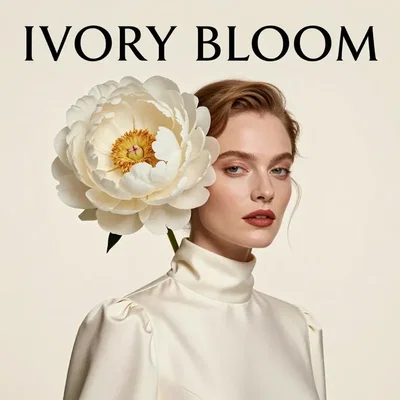
Create a Cannes-level luxury fashion advertising poster for the original couture house named "IVORY BLOOM". It must be 100% location-based hyper-realistic editorial photography. Maintain a precise structural logic for the composition: a tall vertical poster with a soft close-up portrait of an adult female model positioned at its center. Her head is slightly tilted and turned, with a calm and distant editorial expression, wearing a high-neck ivory gown. A giant white peony blooms on one side of her head as the key visual balance. The entire image is set against a clean, warm butter-cream background with no environmental clutter. The final image must evoke the feeling of a coveted high-end fashion magazine cover: poetic, aristocratic, soft, cinematic, and unforgettable. Style parameters: hyper-realistic luxury fashion portrait photography, soft vintage editorial realism, top-tier couture beauty event, clean studio art background, no illustrations, no CGI feel, no plastic skin, no over-edited beauty filter effects. Core composition: a tight upper-body portrait with the model centered, her face and the flower occupying most of the frame, with gentle negative space reserved above solely for a large, elegant main title. No secondary text, body copy, footers, side notes, editorial paragraphs, or logo blocks. Only a single large, refined English title spanning the upper area is integrated as part of the composition. Suggested title: "IVORY BLOOM". Model styling: an adult female with naturally luminous pale skin, soft auburn or light brown fine hair framing her face loosely, delicate red-brown lips, a minimalist couture makeup look, and a high-neck ivory gown made of premium fabric with subtle sculptural pleats. Her body and face must remain elegant, natural, and anatomically correct. Floral styling: a giant white peony with dense layered petals and a rich golden center, placed beside the model’s head like a couture floral accessory. The flower must convey a fresh, luxurious, soft, and grand presence, serving as the primary visual symbol second only to the face. Lighting: soft diffused frontal light with subtle lateral shaping, delicate shadow transitions, softened cheekbone definition, glowing skin, and creamy highlights on the flower. The atmosphere should be transparent, warm, and luxurious, with no hard shadows, no muddy dark tones, or pitch-black areas. Skin and realism: only realistic human skin, visible fine pores, subtle facial micro-textures, faint vellus hairs, authentic lip texture, natural tone variations, slight translucency under the eyes, subtle warmth of capillaries, soft semi-matte finish, and genuine location-based details. No poreless skin, no waxy texture, no silicone-like appearance. Color strategy: a restrained palette including butter-cream, warm ivory, soft beige, petal white, soft auburn, and warm golden pink floral tones. Keep the image minimalist and harmonious, with the face and flower as the primary focal points. Artistic direction goals: model-first hierarchy, couture floral symbolism, elegant title-driven poster composition, high realism, flagship fashion impact, no clutter, no extra props, no duplicated brand identifiers, no watermarks. Negative prompts: duplicated luxury brand names, duplicated mastheads, duplicated paragraph text, any secondary text, body copy, footer text, repeated logos, watermarks, AI artifacts, CGI skin, plastic skin, waxy skin, poreless face, over-edited beauty filters, distorted facial anatomy, fake flower textures, low-resolution petals, muddy shadows, pitch-black patches, black smudges, cluttered composition, cheap fashion poster vibe, cartoon rendering.
6666
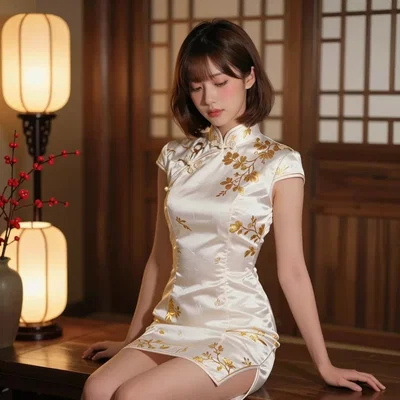
Subject: Lantern Glow on a Gold-Threaded Cheongsam Theme: Centered in the frame, within a dimly lit wooden interior, a woman wearing a short white cheongsam adorned with gold-thread patterns sits lightly on a wooden bench. The large lantern light on the left side of the frame and the red branch decorations create a warm background. Character & Expression: The woman turns her face toward the lower-left of the frame, her eyes slightly lowered, with a serene expression. She has a rounded oval face, a short chin, slender eyes, naturally fine eyebrows, a small and rounded nose tip, and thin peach-colored lips. Her chin-length brownish-black bob is parted slightly off-center, with bangs covering her eyes, and the ends of the hair curve inward. Her eyes are drawn with fine lines, and her cheeks have a faint pink tint. Clothing & Pose: The sleeveless cheongsam is made of glossy white fabric, decorated with patterns of golden floral branches. It features a tall stand-up collar with decorative ties, a vertical slit at the chest, a tailored fit that hugs the waist, and deep slits on both sides fastened with floral-shaped buttons. Her right hand rests on the seat surface to her right side for support, her legs are spread to the left and right, and her upper body leans to the right as she sits. Background & Lighting: On the left side of the frame are elliptical lanterns in washi paper style and red branches in a vase; the background and right side feature lattice windows and dark wooden walls. The warm light source from the left and the soft window light from the right illuminate her face and the gold threads. Composition & Shot: A vertical 3:4 composition, shot with a horizontal camera angle, capturing a wide range from the top of the head to mid-thigh. The subject is positioned slightly to the right of the center, the lantern is on the upper left, and her right hand and the seat surface are included in the frame. Focus is centered on the woman, with the background softly blurred. Texture & Style: A warm-toned realistic photograph depicting the sheen of the fabric, gold threads, and dark wood in fine detail, with a restrained color contrast between white-gold and dark brown. Negative Prompts: The high collar and chest slit must not be omitted; the slits on both sides must not be closed.
6666
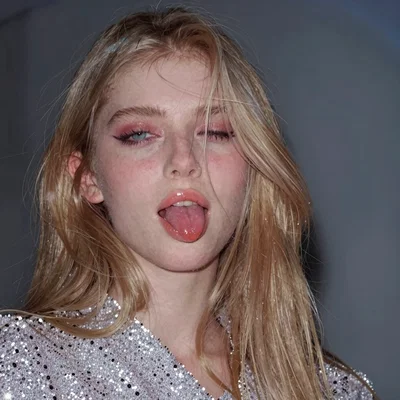
The character’s head, jaw, ears, neck, and clothing are boldly cropped out of the frame. Long ice-blonde straight hair with a bluish-gray tone spans across the cheeks and the bridge of the nose, with fine strands irregularly falling over one eye. The visible eye has a pale ice-blue iris, moist black upper eyelashes, and smoky pink eyeliner that curves upward at the outer corner of the eye. The other eye is half closed, with only the eyelashes peeking through the gaps in the silver hair. The porcelain-like skin has partial outlines blending into the background due to strong overexposure, yet the pores around the nose, the slight redness around the eyes, and fine downy hairs on the cheeks remain visible. The face tilts slightly backward, and a thick, wide coral-pink tongue stretches straight out from the lips toward the left side of the frame. The tongue’s surface has a thin layer of saliva and subtle unevenness, with a cold ice-blue reflective light near the tip. The lips are coated in pale salmon-pink lip gloss, and the expression is a blend of innocence, decadence, and lazy forward-facingness. The background is boundless pure white, showing milky white, light pink, and lavender-blue hues due to overexposure, with only the black outlines of the hair and eyelashes preserved. It creates a poster-like high-key aesthetic reminiscent of a scanned punk magazine. The focal point is the open eye and the moist tip of the tongue, while the surrounding areas dissolve into white blur and out-of-focus effects.
6666
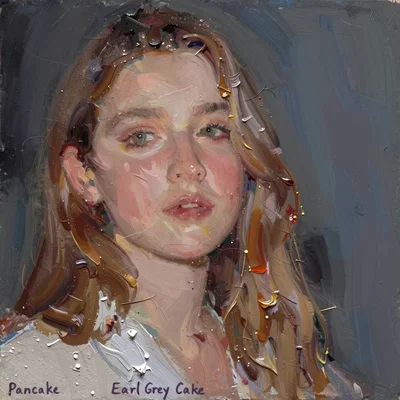
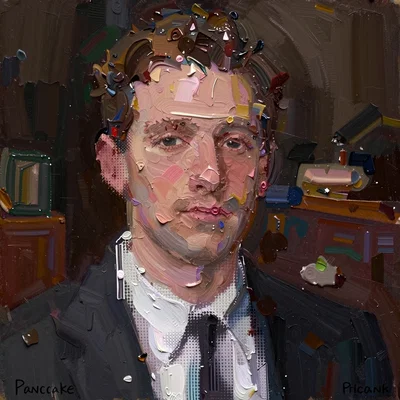
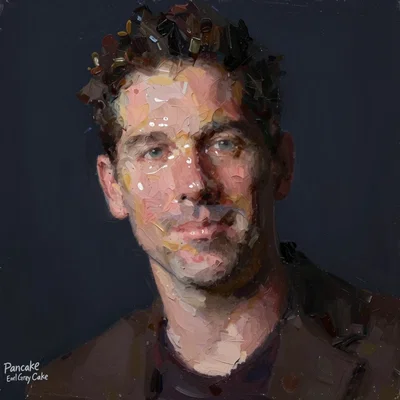
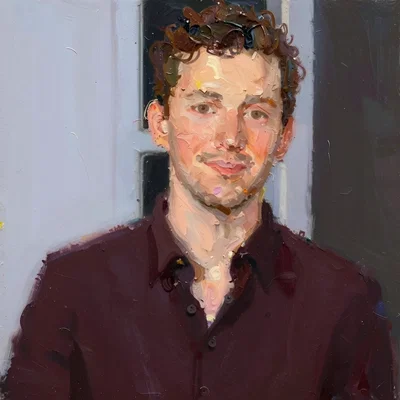
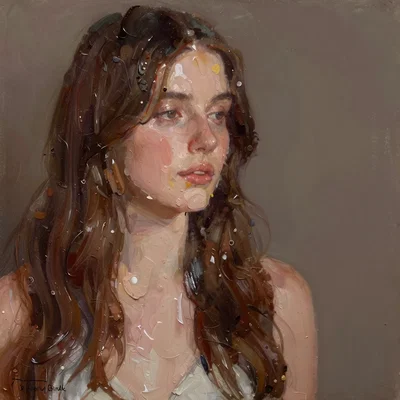
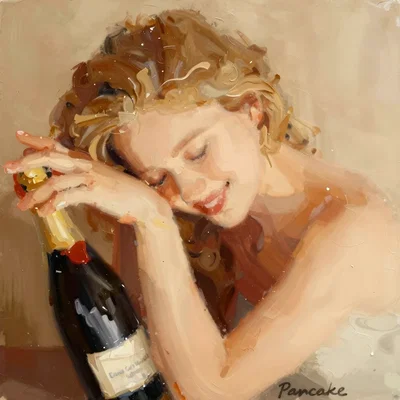
Turn the main subject in the attached photo into a square miniature painting in the palette knife impasto style. [Style: Emphasize 3D texture] Use bold, thick impasto paint applied with a palette knife, raised approximately 3-5mm from the surface. Each blob of paint should show clear directional knife strokes, including visible grooves and ridges. Assume the light source comes from the upper left. Add bright highlights to the raised paint areas and distinct shadows in the recessed or overlapping regions, creating strong chiaroscuro like a real oil painting surface. Add subtle shadows along the edges of the paint to give each color block a sense of layers and distinct depths instead of looking flat. Retain the subject’s outline, colors, and composition from the original photo, but avoid realistic rendering. Simplify shapes using thick paint blobs. Keep the texture controlled and not too detailed. The subject should remain recognizable through a limited number of bold, dimensional palette knife strokes. [Background] Use a fixed warm ivory/cream watercolor paper background with fine, slightly raised texture. Keep the background flat to contrast with the dimensional subject. [Text] Add handwritten black titles at the bottom corner or where there is the most space. Determine the title automatically based on the subject: Food/Drink → Menu name (e.g., "Pancake", "Earl Grey Cake") Product → Product name or category Person → Short descriptive phrase or name-like text Animal → Animal name or species Landscape → Location name or short words describing the scene The handwriting should look natural and imperfect, slightly uneven and tactile — not like a clean digital font. Text color must remain black. [Composition] Aspect ratio: 1:1 Place the subject in the center, leaving ample negative space. Display only the main subject, with no additional props or distracting elements.
6666
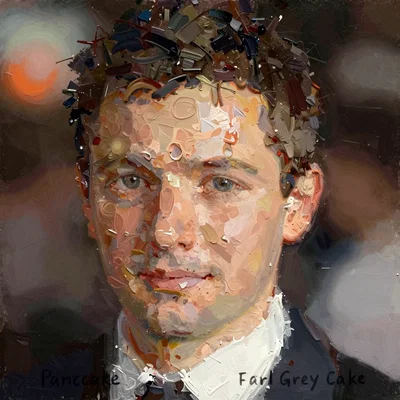
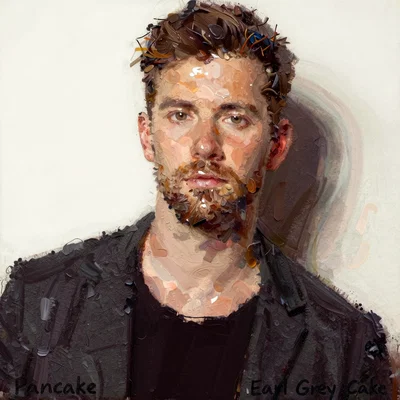
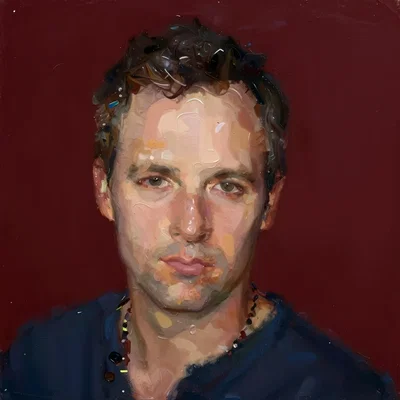
Turn the main subject in the attached photo into a square miniature painting in the palette knife impasto style. [Style: Emphasize 3D texture] Use bold, thick impasto paint applied with a palette knife, raised approximately 3-5mm from the surface. Each blob of paint should show clear directional knife strokes, including visible grooves and ridges. Assume the light source comes from the upper left. Add bright highlights to the raised paint areas and distinct shadows in the recessed or overlapping regions, creating strong chiaroscuro like a real oil painting surface. Add subtle shadows along the edges of the paint to give each color block a sense of layers and distinct depths instead of looking flat. Retain the subject’s outline, colors, and composition from the original photo, but avoid realistic rendering. Simplify shapes using thick paint blobs. Keep the texture controlled and not too detailed. The subject should remain recognizable through a limited number of bold, dimensional palette knife strokes. [Background] Use a fixed warm ivory/cream watercolor paper background with fine, slightly raised texture. Keep the background flat to contrast with the dimensional subject. [Text] Add handwritten black titles at the bottom corner or where there is the most space. Determine the title automatically based on the subject: Food/Drink → Menu name (e.g., "Pancake", "Earl Grey Cake") Product → Product name or category Person → Short descriptive phrase or name-like text Animal → Animal name or species Landscape → Location name or short words describing the scene The handwriting should look natural and imperfect, slightly uneven and tactile — not like a clean digital font. Text color must remain black. [Composition] Aspect ratio: 1:1 Place the subject in the center, leaving ample negative space. Display only the main subject, with no additional props or distracting elements.
6666
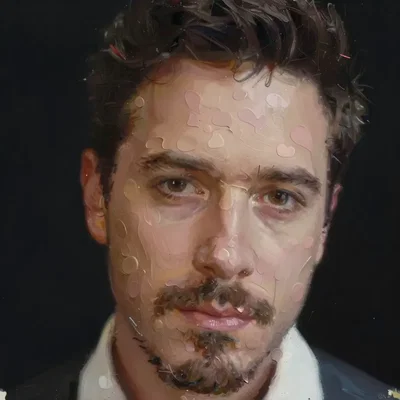
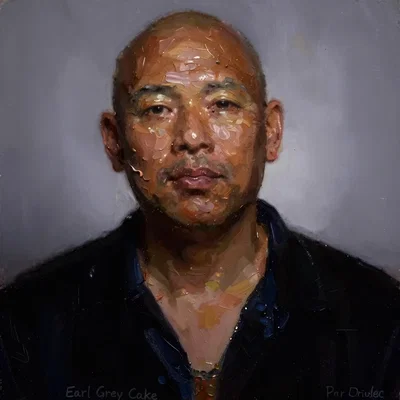
Turn the main subject in the attached photo into a square miniature painting in the palette knife impasto style. [Style: Emphasize 3D texture] Use bold, thick impasto paint applied with a palette knife, raised approximately 3-5mm from the surface. Each blob of paint should show clear directional knife strokes, including visible grooves and ridges. Assume the light source comes from the upper left. Add bright highlights to the raised paint areas and distinct shadows in the recessed or overlapping regions, creating strong chiaroscuro like a real oil painting surface. Add subtle shadows along the edges of the paint to give each color block a sense of layers and distinct depths instead of looking flat. Retain the subject’s outline, colors, and composition from the original photo, but avoid realistic rendering. Simplify shapes using thick paint blobs. Keep the texture controlled and not too detailed. The subject should remain recognizable through a limited number of bold, dimensional palette knife strokes. [Background] Use a fixed warm ivory/cream watercolor paper background with fine, slightly raised texture. Keep the background flat to contrast with the dimensional subject. [Text] Add handwritten black titles at the bottom corner or where there is the most space. Determine the title automatically based on the subject: Food/Drink → Menu name (e.g., "Pancake", "Earl Grey Cake") Product → Product name or category Person → Short descriptive phrase or name-like text Animal → Animal name or species Landscape → Location name or short words describing the scene The handwriting should look natural and imperfect, slightly uneven and tactile — not like a clean digital font. Text color must remain black. [Composition] Aspect ratio: 1:1 Place the subject in the center, leaving ample negative space. Display only the main subject, with no additional props or distracting elements.
6666
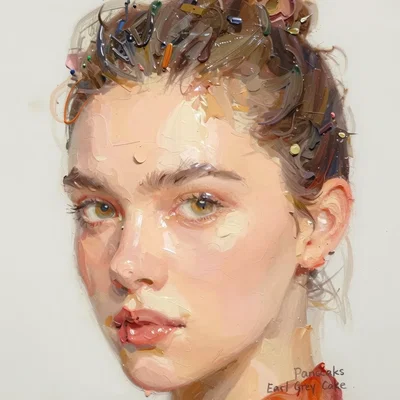
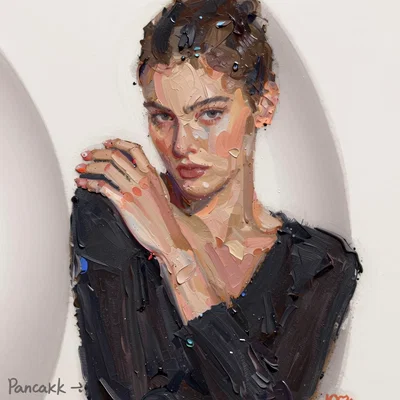
Turn the main subject in the attached photo into a square miniature painting in the palette knife impasto style. [Style: Emphasize 3D texture] Use bold, thick impasto paint applied with a palette knife, raised approximately 3-5mm from the surface. Each blob of paint should show clear directional knife strokes, including visible grooves and ridges. Assume the light source comes from the upper left. Add bright highlights to the raised paint areas and distinct shadows in the recessed or overlapping regions, creating strong chiaroscuro like a real oil painting surface. Add subtle shadows along the edges of the paint to give each color block a sense of layers and distinct depths instead of looking flat. Retain the subject’s outline, colors, and composition from the original photo, but avoid realistic rendering. Simplify shapes using thick paint blobs. Keep the texture controlled and not too detailed. The subject should remain recognizable through a limited number of bold, dimensional palette knife strokes. [Background] Use a fixed warm ivory/cream watercolor paper background with fine, slightly raised texture. Keep the background flat to contrast with the dimensional subject. [Text] Add handwritten black titles at the bottom corner or where there is the most space. Determine the title automatically based on the subject: Food/Drink → Menu name (e.g., "Pancake", "Earl Grey Cake") Product → Product name or category Person → Short descriptive phrase or name-like text Animal → Animal name or species Landscape → Location name or short words describing the scene The handwriting should look natural and imperfect, slightly uneven and tactile — not like a clean digital font. Text color must remain black. [Composition] Aspect ratio: 1:1 Place the subject in the center, leaving ample negative space. Display only the main subject, with no additional props or distracting elements.
6666
Turn the main subject in the attached photo into a square miniature painting in the palette knife impasto style. [Style: Emphasize 3D texture] Use bold, thick impasto paint applied with a palette knife, raised approximately 3-5mm from the surface. Each blob of paint should show clear directional knife strokes, including visible grooves and ridges. Assume the light source comes from the upper left. Add bright highlights to the raised paint areas and distinct shadows in the recessed or overlapping regions, creating strong chiaroscuro like a real oil painting surface. Add subtle shadows along the edges of the paint to give each color block a sense of layers and distinct depths instead of looking flat. Retain the subject’s outline, colors, and composition from the original photo, but avoid realistic rendering. Simplify shapes using thick paint blobs. Keep the texture controlled and not too detailed. The subject should remain recognizable through a limited number of bold, dimensional palette knife strokes. [Background] Use a fixed warm ivory/cream watercolor paper background with fine, slightly raised texture. Keep the background flat to contrast with the dimensional subject. [Text] Add handwritten black titles at the bottom corner or where there is the most space. Determine the title automatically based on the subject: Food/Drink → Menu name (e.g., "Pancake", "Earl Grey Cake") Product → Product name or category Person → Short descriptive phrase or name-like text Animal → Animal name or species Landscape → Location name or short words describing the scene The handwriting should look natural and imperfect, slightly uneven and tactile — not like a clean digital font. Text color must remain black. [Composition] Aspect ratio: 1:1 Place the subject in the center, leaving ample negative space. Display only the main subject, with no additional props or distracting elements.
6666
Turn the main subject in the attached photo into a square miniature painting in the palette knife impasto style. [Style: Emphasize 3D texture] Use bold, thick impasto paint applied with a palette knife, raised approximately 3-5mm from the surface. Each blob of paint should show clear directional knife strokes, including visible grooves and ridges. Assume the light source comes from the upper left. Add bright highlights to the raised paint areas and distinct shadows in the recessed or overlapping regions, creating strong chiaroscuro like a real oil painting surface. Add subtle shadows along the edges of the paint to give each color block a sense of layers and distinct depths instead of looking flat. Retain the subject’s outline, colors, and composition from the original photo, but avoid realistic rendering. Simplify shapes using thick paint blobs. Keep the texture controlled and not too detailed. The subject should remain recognizable through a limited number of bold, dimensional palette knife strokes. [Background] Use a fixed warm ivory/cream watercolor paper background with fine, slightly raised texture. Keep the background flat to contrast with the dimensional subject. [Text] Add handwritten black titles at the bottom corner or where there is the most space. Determine the title automatically based on the subject: Food/Drink → Menu name (e.g., "Pancake", "Earl Grey Cake") Product → Product name or category Person → Short descriptive phrase or name-like text Animal → Animal name or species Landscape → Location name or short words describing the scene The handwriting should look natural and imperfect, slightly uneven and tactile — not like a clean digital font. Text color must remain black. [Composition] Aspect ratio: 1:1 Place the subject in the center, leaving ample negative space. Display only the main subject, with no additional props or distracting elements.
6666
Turn the main subject in the attached photo into a square miniature painting in the palette knife impasto style. [Style: Emphasize 3D texture] Use bold, thick impasto paint applied with a palette knife, raised approximately 3-5mm from the surface. Each blob of paint should show clear directional knife strokes, including visible grooves and ridges. Assume the light source comes from the upper left. Add bright highlights to the raised paint areas and distinct shadows in the recessed or overlapping regions, creating strong chiaroscuro like a real oil painting surface. Add subtle shadows along the edges of the paint to give each color block a sense of layers and distinct depths instead of looking flat. Retain the subject’s outline, colors, and composition from the original photo, but avoid realistic rendering. Simplify shapes using thick paint blobs. Keep the texture controlled and not too detailed. The subject should remain recognizable through a limited number of bold, dimensional palette knife strokes. [Background] Use a fixed warm ivory/cream watercolor paper background with fine, slightly raised texture. Keep the background flat to contrast with the dimensional subject. [Text] Add handwritten black titles at the bottom corner or where there is the most space. Determine the title automatically based on the subject: Food/Drink → Menu name (e.g., "Pancake", "Earl Grey Cake") Product → Product name or category Person → Short descriptive phrase or name-like text Animal → Animal name or species Landscape → Location name or short words describing the scene The handwriting should look natural and imperfect, slightly uneven and tactile — not like a clean digital font. Text color must remain black. [Composition] Aspect ratio: 1:1 Place the subject in the center, leaving ample negative space. Display only the main subject, with no additional props or distracting elements.
6666
Turn the main subject in the attached photo into a square miniature painting in the palette knife impasto style. [Style: Emphasize 3D texture] Use bold, thick impasto paint applied with a palette knife, raised approximately 3-5mm from the surface. Each blob of paint should show clear directional knife strokes, including visible grooves and ridges. Assume the light source comes from the upper left. Add bright highlights to the raised paint areas and distinct shadows in the recessed or overlapping regions, creating strong chiaroscuro like a real oil painting surface. Add subtle shadows along the edges of the paint to give each color block a sense of layers and distinct depths instead of looking flat. Retain the subject’s outline, colors, and composition from the original photo, but avoid realistic rendering. Simplify shapes using thick paint blobs. Keep the texture controlled and not too detailed. The subject should remain recognizable through a limited number of bold, dimensional palette knife strokes. [Background] Use a fixed warm ivory/cream watercolor paper background with fine, slightly raised texture. Keep the background flat to contrast with the dimensional subject. [Text] Add handwritten black titles at the bottom corner or where there is the most space. Determine the title automatically based on the subject: Food/Drink → Menu name (e.g., "Pancake", "Earl Grey Cake") Product → Product name or category Person → Short descriptive phrase or name-like text Animal → Animal name or species Landscape → Location name or short words describing the scene The handwriting should look natural and imperfect, slightly uneven and tactile — not like a clean digital font. Text color must remain black. [Composition] Aspect ratio: 1:1 Place the subject in the center, leaving ample negative space. Display only the main subject, with no additional props or distracting elements.
6666
Turn the main subject in the attached photo into a square miniature painting in the palette knife impasto style. [Style: Emphasize 3D texture] Use bold, thick impasto paint applied with a palette knife, raised approximately 3-5mm from the surface. Each blob of paint should show clear directional knife strokes, including visible grooves and ridges. Assume the light source comes from the upper left. Add bright highlights to the raised paint areas and distinct shadows in the recessed or overlapping regions, creating strong chiaroscuro like a real oil painting surface. Add subtle shadows along the edges of the paint to give each color block a sense of layers and distinct depths instead of looking flat. Retain the subject’s outline, colors, and composition from the original photo, but avoid realistic rendering. Simplify shapes using thick paint blobs. Keep the texture controlled and not too detailed. The subject should remain recognizable through a limited number of bold, dimensional palette knife strokes. [Background] Use a fixed warm ivory/cream watercolor paper background with fine, slightly raised texture. Keep the background flat to contrast with the dimensional subject. [Text] Add handwritten black titles at the bottom corner or where there is the most space. Determine the title automatically based on the subject: Food/Drink → Menu name (e.g., "Pancake", "Earl Grey Cake") Product → Product name or category Person → Short descriptive phrase or name-like text Animal → Animal name or species Landscape → Location name or short words describing the scene The handwriting should look natural and imperfect, slightly uneven and tactile — not like a clean digital font. Text color must remain black. [Composition] Aspect ratio: 1:1 Place the subject in the center, leaving ample negative space. Display only the main subject, with no additional props or distracting elements.
6666
Turn the main subject in the attached photo into a square miniature painting in the palette knife impasto style. [Style: Emphasize 3D texture] Use bold, thick impasto paint applied with a palette knife, raised approximately 3-5mm from the surface. Each blob of paint should show clear directional knife strokes, including visible grooves and ridges. Assume the light source comes from the upper left. Add bright highlights to the raised paint areas and distinct shadows in the recessed or overlapping regions, creating strong chiaroscuro like a real oil painting surface. Add subtle shadows along the edges of the paint to give each color block a sense of layers and distinct depths instead of looking flat. Retain the subject’s outline, colors, and composition from the original photo, but avoid realistic rendering. Simplify shapes using thick paint blobs. Keep the texture controlled and not too detailed. The subject should remain recognizable through a limited number of bold, dimensional palette knife strokes. [Background] Use a fixed warm ivory/cream watercolor paper background with fine, slightly raised texture. Keep the background flat to contrast with the dimensional subject. [Text] Add handwritten black titles at the bottom corner or where there is the most space. Determine the title automatically based on the subject: Food/Drink → Menu name (e.g., "Pancake", "Earl Grey Cake") Product → Product name or category Person → Short descriptive phrase or name-like text Animal → Animal name or species Landscape → Location name or short words describing the scene The handwriting should look natural and imperfect, slightly uneven and tactile — not like a clean digital font. Text color must remain black. [Composition] Aspect ratio: 1:1 Place the subject in the center, leaving ample negative space. Display only the main subject, with no additional props or distracting elements.
6666
Turn the main subject in the attached photo into a square miniature painting in the palette knife impasto style. [Style: Emphasize 3D texture] Use bold, thick impasto paint applied with a palette knife, raised approximately 3-5mm from the surface. Each blob of paint should show clear directional knife strokes, including visible grooves and ridges. Assume the light source comes from the upper left. Add bright highlights to the raised paint areas and distinct shadows in the recessed or overlapping regions, creating strong chiaroscuro like a real oil painting surface. Add subtle shadows along the edges of the paint to give each color block a sense of layers and distinct depths instead of looking flat. Retain the subject’s outline, colors, and composition from the original photo, but avoid realistic rendering. Simplify shapes using thick paint blobs. Keep the texture controlled and not too detailed. The subject should remain recognizable through a limited number of bold, dimensional palette knife strokes. [Background] Use a fixed warm ivory/cream watercolor paper background with fine, slightly raised texture. Keep the background flat to contrast with the dimensional subject. [Text] Add handwritten black titles at the bottom corner or where there is the most space. Determine the title automatically based on the subject: Food/Drink → Menu name (e.g., "Pancake", "Earl Grey Cake") Product → Product name or category Person → Short descriptive phrase or name-like text Animal → Animal name or species Landscape → Location name or short words describing the scene The handwriting should look natural and imperfect, slightly uneven and tactile — not like a clean digital font. Text color must remain black. [Composition] Aspect ratio: 1:1 Place the subject in the center, leaving ample negative space. Display only the main subject, with no additional props or distracting elements.
6666
Turn the main subject in the attached photo into a square miniature painting in the palette knife impasto style. [Style: Emphasize 3D texture] Use bold, thick impasto paint applied with a palette knife, raised approximately 3-5mm from the surface. Each blob of paint should show clear directional knife strokes, including visible grooves and ridges. Assume the light source comes from the upper left. Add bright highlights to the raised paint areas and distinct shadows in the recessed or overlapping regions, creating strong chiaroscuro like a real oil painting surface. Add subtle shadows along the edges of the paint to give each color block a sense of layers and distinct depths instead of looking flat. Retain the subject’s outline, colors, and composition from the original photo, but avoid realistic rendering. Simplify shapes using thick paint blobs. Keep the texture controlled and not too detailed. The subject should remain recognizable through a limited number of bold, dimensional palette knife strokes. [Background] Use a fixed warm ivory/cream watercolor paper background with fine, slightly raised texture. Keep the background flat to contrast with the dimensional subject. [Text] Add handwritten black titles at the bottom corner or where there is the most space. Determine the title automatically based on the subject: Food/Drink → Menu name (e.g., "Pancake", "Earl Grey Cake") Product → Product name or category Person → Short descriptive phrase or name-like text Animal → Animal name or species Landscape → Location name or short words describing the scene The handwriting should look natural and imperfect, slightly uneven and tactile — not like a clean digital font. Text color must remain black. [Composition] Aspect ratio: 1:1 Place the subject in the center, leaving ample negative space. Display only the main subject, with no additional props or distracting elements.
6666
Turn the main subject in the attached photo into a square miniature painting in the palette knife impasto style. [Style: Emphasize 3D texture] Use bold, thick impasto paint applied with a palette knife, raised approximately 3-5mm from the surface. Each blob of paint should show clear directional knife strokes, including visible grooves and ridges. Assume the light source comes from the upper left. Add bright highlights to the raised paint areas and distinct shadows in the recessed or overlapping regions, creating strong chiaroscuro like a real oil painting surface. Add subtle shadows along the edges of the paint to give each color block a sense of layers and distinct depths instead of looking flat. Retain the subject’s outline, colors, and composition from the original photo, but avoid realistic rendering. Simplify shapes using thick paint blobs. Keep the texture controlled and not too detailed. The subject should remain recognizable through a limited number of bold, dimensional palette knife strokes. [Background] Use a fixed warm ivory/cream watercolor paper background with fine, slightly raised texture. Keep the background flat to contrast with the dimensional subject. [Text] Add handwritten black titles at the bottom corner or where there is the most space. Determine the title automatically based on the subject: Food/Drink → Menu name (e.g., "Pancake", "Earl Grey Cake") Product → Product name or category Person → Short descriptive phrase or name-like text Animal → Animal name or species Landscape → Location name or short words describing the scene The handwriting should look natural and imperfect, slightly uneven and tactile — not like a clean digital font. Text color must remain black. [Composition] Aspect ratio: 1:1 Place the subject in the center, leaving ample negative space. Display only the main subject, with no additional props or distracting elements.
6666
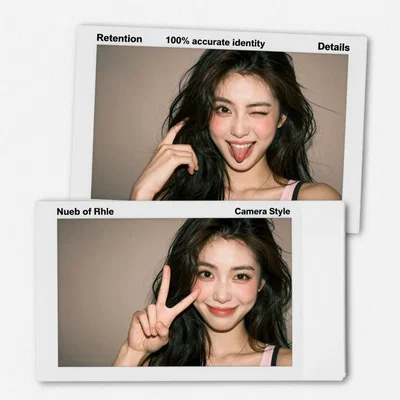
{ "Prompt": { "Identity": { "Retention": "100% accurate identity", "Details": [ "Eye shape", "Eyelids", "Eyebrows", "Nose", "Lips", "Jawline", "Cheekbones", "Facial proportions", "Skin color", "Natural skin texture" ] }, "Composition": { "Type": "Surreal simulated photographic collage", "Aspect Ratio": "9:16", "Surface": "Textured white fabric", "Number of Photos": 2, "Layout": "Two vertical instant photos slightly overlapping and tilted", "Photo Frame": "Off-white instant photo frame with subtle vintage texture" }, "Top Photo": { "Framing": "Close-up from head to chest", "Hairstyle": "Dark brown almost black long hair, slightly messy, with loose strands framing the face", "Expression": "Cross-eyed in an exaggerated way, playful and mischievous expression, tongue naturally slightly sticking out", "Pose": "One hand touching the hair on the side of the face", "Makeup": { "Style": "Soft rose-colored makeup", "Eyebrows": "Naturally brushed up", "Eyelashes": "Curled", "Blush": "Soft pink", "Skin": "Glossy with realistic natural texture" }, "Clothing": "Light pink tank top with black shoulder straps and a thin silver necklace", "Background": "Solid beige-taupe wall" }, "Bottom Photo": { "Framing": "Similar close-up", "Head Position": "Slightly upright, facing the camera", "Expression": "Exaggerated and funny duck face smile, cute and playful", "Pose": "One hand making a peace sign next to the cheek, fingers naturally relaxed", "Hairstyle": "Same fluffy, wavy and messy hairstyle as the top photo", "Makeup": "Same makeup as the top photo", "Clothing": "Same clothing as the top photo", "Background": "Solid beige-taupe wall" }, "Photography": { "Camera Style": "Point-and-shoot compact camera flash", "Tone": "Soft and warm", "Film Grain": "Subtle", "Skin Texture": "Realistic", "Flaws": "Natural", "Aesthetic": "Casual early 2000s digital camera style", "Details": "Clear facial details", "Quality": "Realistic photography, 8K Ultra HD" }, "Signature": { "Text": "♡eL", "Position": "Bottom left corner of the collage", "Style": "Small handwritten white signature, clean and understated" } }, "Negative Prompt": [ "Altered identity", "Different face", "Plastic skin", "Waxy skin", "Beauty filters", "CGI", "Anime", "Overly perfect face", "Stiff pose", "Malformed hand", "Extra fingers", "Merged fingers", "Poor anatomy", "Blurry", "Low resolution", "Over-sharpened", "Harsh shadows", "Overexposed", "Underexposed", "Cluttered background", "Heavy makeup", "Duplicate characters", "Duplicate limbs", "Distorted facial features", "Unnecessary text", "Large watermarks" ] }