Explorer
Éditer
Vidéo
Applications
Tarifs
Discussions
Se connecter
Se connecter
Accueil
Explorer
Galerie
Galerie de capsules
Éditer
Vidéo
Applications
Tarifs
Discussions
Langue
P
Peter Moldauer
Suivre
Suivre
245
œuvres
597
j'aime
7
Abonnés
4
Abonnements
Rejoint le 2026
œuvres
245
Albums
0
Récent
Populaire
Affichage
P
Peter Moldauer
P
Peter Moldauer
2
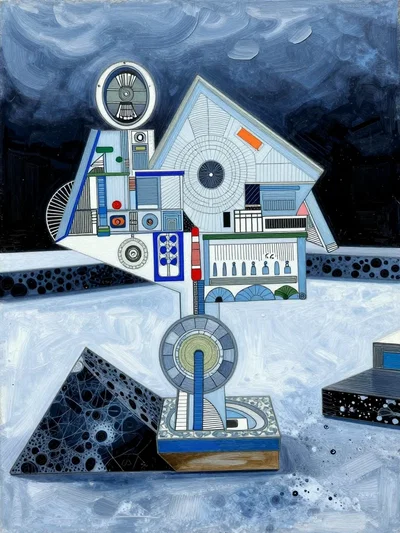
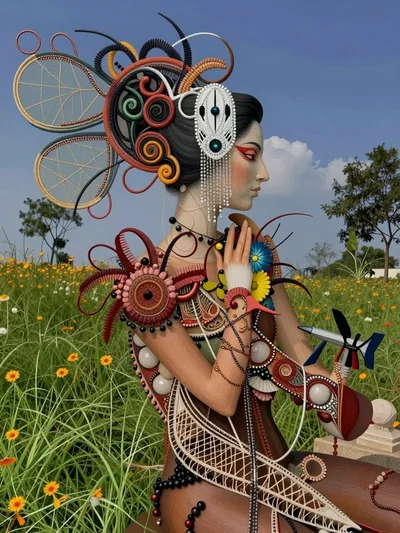
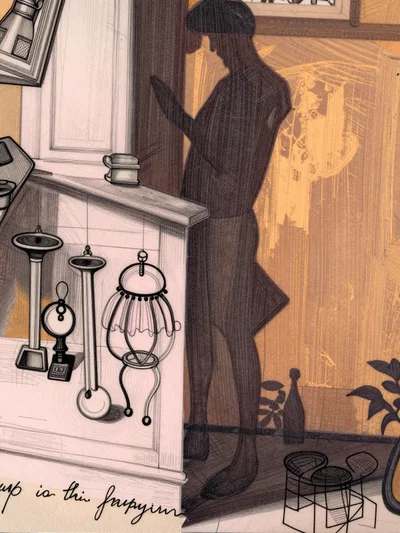
Create a new, sophisticated artistic work, mixed together from the elements contained in the original image, that hardly resembles the reference image anymore. Generate a unique, figurative, tangible artistic image. The result is surprising and enchanting, and it encourages reflection.
P
Peter Moldauer
P
Peter Moldauer
1
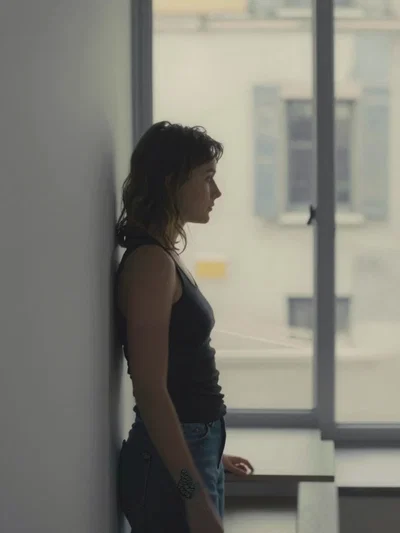
Create a new, sophisticated artistic work, mixed together from the elements contained in the original image, that hardly resembles the reference image anymore. Generate a unique, figurative, tangible artistic image. The result is surprising and enchanting, and it encourages reflection.
P
Peter Moldauer
P
Peter Moldauer
1
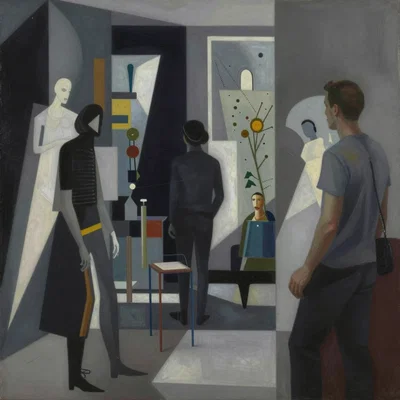
Create a new, sophisticated artistic work, mixed together from the elements contained in the original image, that hardly resembles the reference image anymore. Generate a unique, figurative, tangible artistic image. The result is surprising and enchanting, and it encourages reflection.
P
Peter Moldauer
P
Peter Moldauer
2
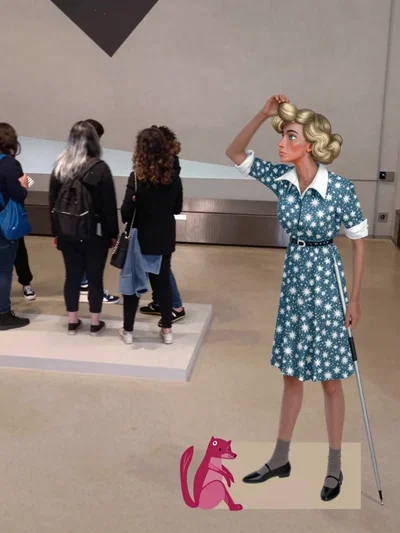
create a new, complex artistic work that is a mix of the elements contained in the original image, barely reminiscent of the reference image. generate a unique figurative-formal art piece. the result is surprising and enchanting, it provokes thought.
P
Peter Moldauer
P
Peter Moldauer
1
create a fresh, challenging abstract artwork with dadaist elements from it, so that nothing of the original image is recognizable. the new work should have an interesting, challenging, reduced aesthetic, enchant and make one thoughtful.
P
Peter Moldauer
P
Peter Moldauer
1
create a fresh, challenging abstract artwork with dadaist elements from it, so that nothing of the original image is recognizable. the new work should have an interesting, challenging, reduced aesthetic, enchant and make one thoughtful.
P
Peter Moldauer
P
Peter Moldauer
4
create a fresh, challenging abstract artwork with dadaist elements from it, so that nothing of the original image is recognizable. the new work should have an interesting, challenging, reduced aesthetic, enchant and make one thoughtful.
P
Peter Moldauer
P
Peter Moldauer
4
create a fresh, challenging abstract artwork with dadaist elements from it, so that nothing of the original image is recognizable. the new work should have an interesting, challenging, reduced aesthetic, enchant and make one thoughtful.
P
Peter Moldauer
P
Peter Moldauer
create a fresh, challenging abstract artwork with dadaist elements from it, so that nothing of the original image is recognizable. the new work should have an interesting, challenging, reduced aesthetic, enchant and make one thoughtful.
P
Peter Moldauer
P
Peter Moldauer
4
create a fresh, challenging abstract artwork with dadaist elements from it, so that nothing of the original image is recognizable. the new work should have an interesting, challenging, reduced aesthetic, enchant and make one thoughtful.
P
Peter Moldauer
P
Peter Moldauer
create a fresh, challenging abstract artwork with dadaist elements from it, so that nothing of the original image is recognizable. the new work should have an interesting, challenging, reduced aesthetic, enchant and make one thoughtful.
P
Peter Moldauer
P
Peter Moldauer
create a fresh, challenging abstract artwork with dadaist elements from it, so that nothing of the original image is recognizable. the new work should have an interesting, challenging, reduced aesthetic, enchant and make one thoughtful.
P
Peter Moldauer
P
Peter Moldauer
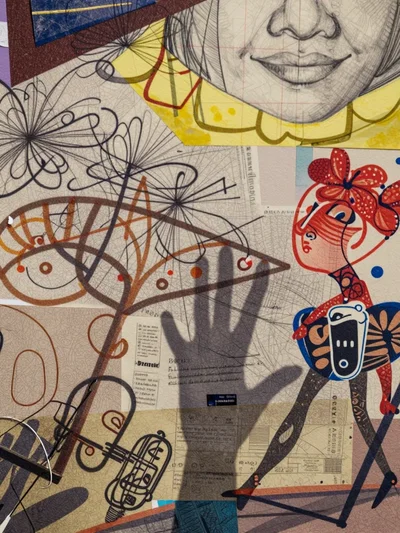
create a new, complex artistic work that is a mix of the elements contained in the original image, barely reminiscent of the reference image. generate a unique figurative-formal art piece. the result is surprising and enchanting, it provokes thought.
P
Peter Moldauer
P
Peter Moldauer
create a new, complex artistic work that is a mix of the elements contained in the original image, barely reminiscent of the reference image. generate a unique figurative-formal art piece. the result is surprising and enchanting, it provokes thought.
P
Peter Moldauer
P
Peter Moldauer
2
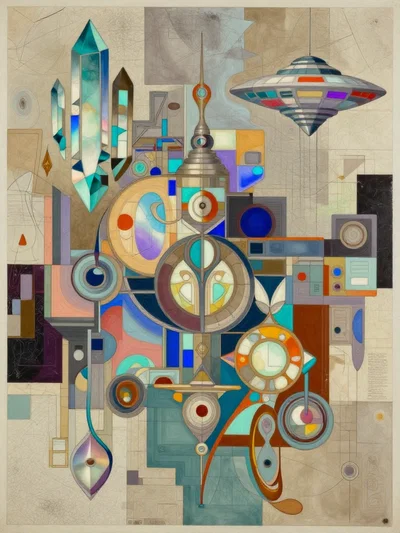
Use the reference image merely as a distant memory. Break down its forms, colors, and rhythms and create an independent artwork from them. The original motif may dissolve, shift, or completely transition into new structures. Resonance is the goal. Work like an experimental artist, not an illustrator. Let spontaneous decisions, painterly gestures, and unexpected associations arise. Create image areas that contradict each other yet form a harmonious whole. Invent forms that have no name and belong to no known category. Combine fine drawing, expressive painting, transparent color layers, collage fragments, abrasion, scratches, pigment structures, flowing ink, and random textures. Some parts may appear raw and unfinished, others highly detailed. Create tension between order and chaos, precision and dissolution. Obvious futuristic symbols, classical fantasy motifs, and decorative effects. Floating crystals, holograms, spaceships, ornamentally arranged geometric bodies. Mysterious structures whose origin and meaning remain open. Use unusual color tones instead of glaring contrasts: weathered earth tones meet shimmering turquoise, indigo, amber, or mother-of-pearl surfaces. Light seems to come from within the color, not from a light source. The composition should feel like a museum piece that has been reworked over decades. Each layer tells a different story. Some details seem ancient, others just created. The image may contain contradictions and leave questions unanswered.
P
Peter Moldauer
P
Peter Moldauer
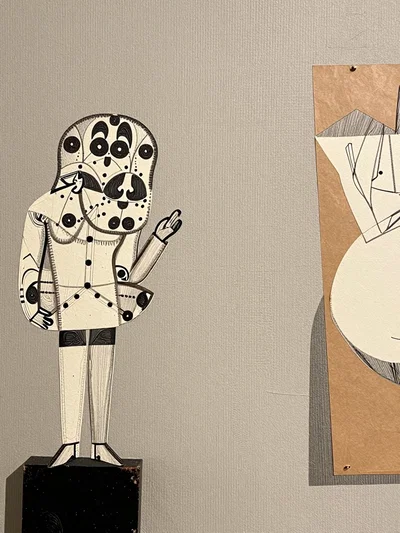
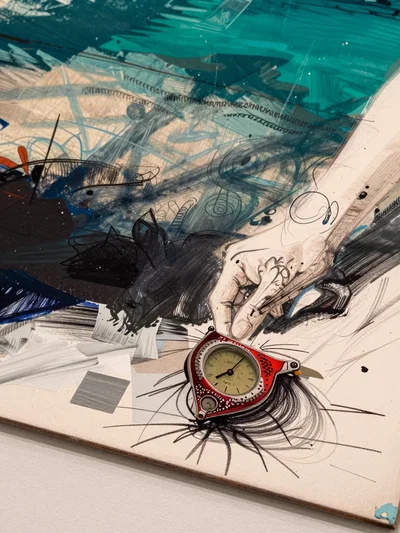
Use the reference image as a reminder, not as a replica. Preserve its visual character, but interpret it freely. Dissolve forms, simplify, abstract, overpaint, collage, and rearrange the image components. The finished work should possess an independent identity, while the origin of the template still subtly perceptible remains. Work with a reduced mixed-media aesthetic of drawing, painting, collage, and a few carefully selected found objects or traces of the creative process. Prefer quiet surfaces over decorative abundance. Every intervention should seem necessary. In each image version, only one to three elements of the reference image receive a poetically contradictory reinterpretation. All other areas are freely transformed, without being forced to be poeticized. The poetic contradiction arises by subtly shifting a common relationship: An object is given an impossible task, a shadow acts independently, light becomes tangible, time becomes material, memory takes on a form, or cause and effect swap roles. The intervention appears natural, never loud or surrealistic. It is not explained. With each new generation, rearrange the image elements. Each time, choose different areas for the poetic intervention and avoid repetitions. No version should use the same idea or composition. Each image should feel like a new discovery of the same memory. Plan the direction. Leave the poetry to chance. Leave it to reason to decide which chance may remain. The result should have the appearance of a contemporary museum piece: quiet, idiosyncratic, open, and full of quiet surprises.
P
Peter Moldauer
P
Peter Moldauer
4
Use the reference image as a reminder, not as a replica. Preserve its visual character, but interpret it freely. Dissolve forms, simplify, abstract, overpaint, collage, and rearrange the image components. The finished work should possess an independent identity, while the origin of the template still subtly perceptible remains. Work with a reduced mixed-media aesthetic of drawing, painting, collage, and a few carefully selected found objects or traces of the creative process. Prefer quiet surfaces over decorative abundance. Every intervention should seem necessary. In each image version, only one to three elements of the reference image receive a poetically contradictory reinterpretation. All other areas are freely transformed, without being forced to be poeticized. The poetic contradiction arises by subtly shifting a common relationship: An object is given an impossible task, a shadow acts independently, light becomes tangible, time becomes material, memory takes on a form, or cause and effect swap roles. The intervention appears natural, never loud or surrealistic. It is not explained. With each new generation, rearrange the image elements. Each time, choose different areas for the poetic intervention and avoid repetitions. No version should use the same idea or composition. Each image should feel like a new discovery of the same memory. Plan the direction. Leave the poetry to chance. Leave it to reason to decide which chance may remain. The result should have the appearance of a contemporary museum piece: quiet, idiosyncratic, open, and full of quiet surprises.
P
Peter Moldauer
P
Peter Moldauer
4
Use the reference image as a reminder, not as a replica. Preserve its visual character, but interpret it freely. Dissolve forms, simplify, abstract, overpaint, collage, and rearrange the image components. The finished work should possess an independent identity, while the origin of the template still subtly perceptible remains. Work with a reduced mixed-media aesthetic of drawing, painting, collage, and a few carefully selected found objects or traces of the creative process. Prefer quiet surfaces over decorative abundance. Every intervention should seem necessary. In each image version, only one to three elements of the reference image receive a poetically contradictory reinterpretation. All other areas are freely transformed, without being forced to be poeticized. The poetic contradiction arises by subtly shifting a common relationship: An object is given an impossible task, a shadow acts independently, light becomes tangible, time becomes material, memory takes on a form, or cause and effect swap roles. The intervention appears natural, never loud or surrealistic. It is not explained. With each new generation, rearrange the image elements. Each time, choose different areas for the poetic intervention and avoid repetitions. No version should use the same idea or composition. Each image should feel like a new discovery of the same memory. Plan the direction. Leave the poetry to chance. Leave it to reason to decide which chance may remain. The result should have the appearance of a contemporary museum piece: quiet, idiosyncratic, open, and full of quiet surprises.
P
Peter Moldauer
P
Peter Moldauer
3
Use the reference image as a reminder, not as a replica. Preserve its visual character, but interpret it freely. Dissolve forms, simplify, abstract, overpaint, collage, and rearrange the image components. The finished work should possess an independent identity, while the origin of the template still subtly perceptible remains. Work with a reduced mixed-media aesthetic of drawing, painting, collage, and a few carefully selected found objects or traces of the creative process. Prefer quiet surfaces over decorative abundance. Every intervention should seem necessary. In each image version, only one to three elements of the reference image receive a poetically contradictory reinterpretation. All other areas are freely transformed, without being forced to be poeticized. The poetic contradiction arises by subtly shifting a common relationship: An object is given an impossible task, a shadow acts independently, light becomes tangible, time becomes material, memory takes on a form, or cause and effect swap roles. The intervention appears natural, never loud or surrealistic. It is not explained. With each new generation, rearrange the image elements. Each time, choose different areas for the poetic intervention and avoid repetitions. No version should use the same idea or composition. Each image should feel like a new discovery of the same memory. Plan the direction. Leave the poetry to chance. Leave it to reason to decide which chance may remain. The result should have the appearance of a contemporary museum piece: quiet, idiosyncratic, open, and full of quiet surprises.
P
Peter Moldauer
P
Peter Moldauer
4
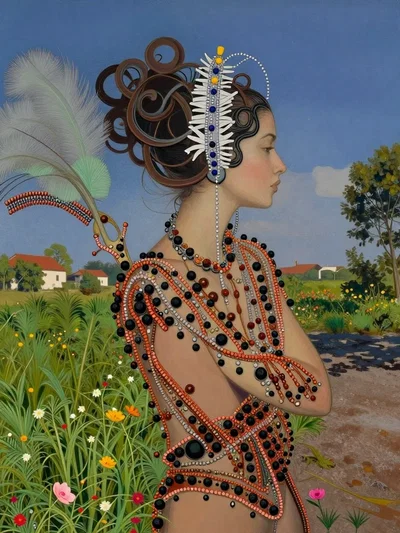
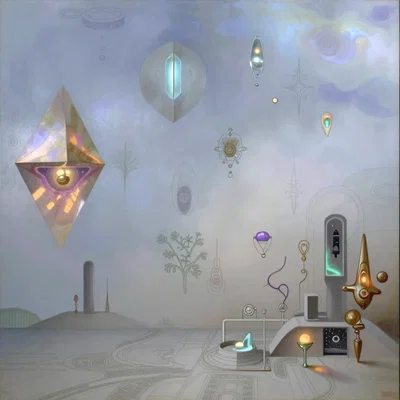
**Prompt:** Use the template image as a foundation and transform it into an extraordinary artwork of museum quality. The original scene remains recognizable but evolves into a mysterious vision where magic and the future are inseparably intertwined. The image appears as a centuries-old masterpiece that simultaneously hails from a distant future. Combine fine drawing, painterly brushstrokes, translucent color fields, and precise futuristic details. Integrate floating geometric shapes, crystalline light bodies, mysterious artifacts, delicate metallic ornaments, and organic structures that flow through the motif like living energy. Light becomes a material of its own: soft golden, silver, and iridescent reflections permeate the work, while glowing cyan, violet, and emerald tones contrast with deep shadows. Individual elements seem to glow from within, as if filled with an unknown energy. Expand the composition with enigmatic symbols, floating fragments, cosmic plants, impossible architecture, broken time windows, and hidden portals. Some objects appear ancient, others highly advanced – yet all belong to the same mysterious world. Fine lines and engravings reminiscent of ancient manuscripts contrast with holographic-like structures. Create multiple layers of meaning: from a distance, the work appears harmonious and majestic, up close, countless small stories, hidden figures, microscopic patterns, and symbolic details are revealed. Each viewing should enable new discoveries. The atmosphere is quiet, reverent, and dreamlike.
Previous
1
2
3
More pages
13
Next